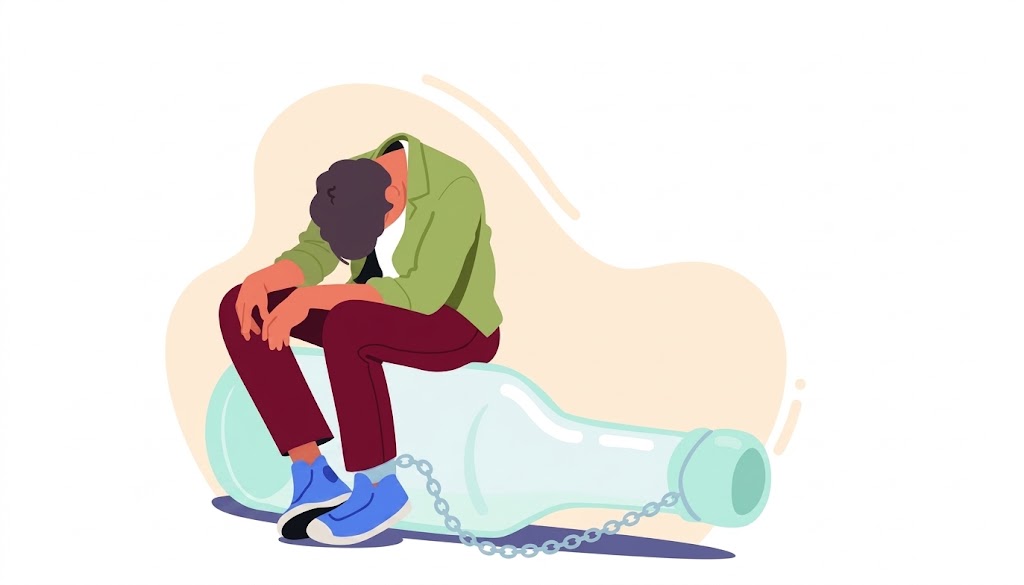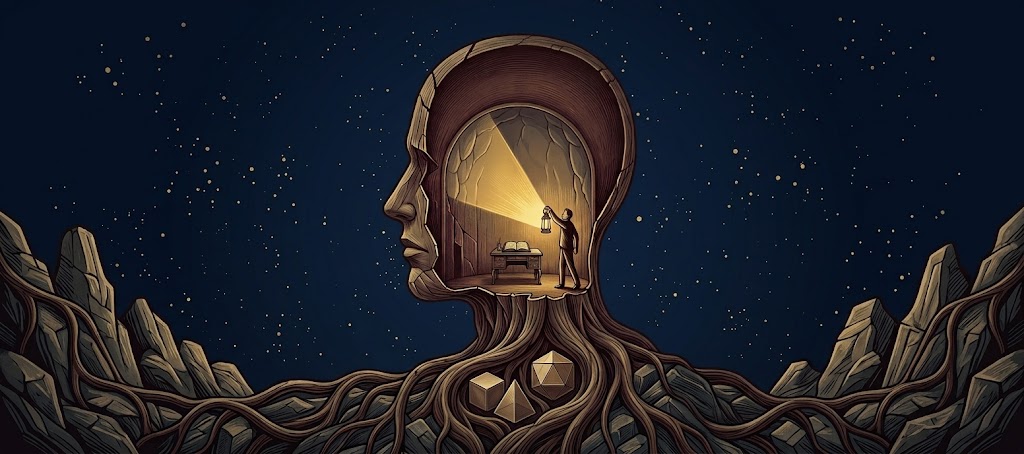
Learned helplessness is a psychological pattern in which a person comes to believe that their actions will not make a difference, often after repeated experiences of failure, powerlessness, criticism, or lack of control. Even when a new opportunity, support system, or possible solution becomes available, the person may struggle to take action because they have learned to expect that their efforts will not lead to change.
The concept emerged from psychological research examining how repeated exposure to uncontrollable negative experiences can affect motivation and problem-solving. In everyday life, learned helplessness may appear in work, education, family life, romantic relationships, and emotional wellbeing.
It is important to understand that learned helplessness does not mean someone is lazy, weak, or unwilling to try. It is often an understandable psychological response to difficult experiences that have repeatedly taught the person that trying feels unsafe, pointless, or disappointing.
How Does Learned Helplessness Develop?
Learned helplessness can develop when a person begins to feel that effort and outcome are no longer connected. If they repeatedly try to improve a situation but experience rejection, criticism, failure, or lack of support, they may eventually stop believing that their actions matter.
For example, a child who is constantly criticised, ignored, or punished harshly for mistakes may grow up believing that they are not capable enough. Later in life, they may avoid applying for a job, beginning a new course, or pursuing a relationship because they expect failure before they have given themselves a real chance.
A person who has received many job rejections may stop applying, even if their circumstances or qualifications have changed. Someone in a controlling or emotionally harmful relationship may believe that leaving, setting boundaries, or asking for help is impossible. A student who repeatedly struggles with exams may conclude, “I am simply not intelligent enough,” rather than exploring new learning strategies or seeking support.
The central issue is not simply having negative experiences. It is the belief that negative outcomes are unavoidable and outside one’s influence. When this belief becomes deeply established, it can reduce motivation, confidence, and the ability to recognise available choices.
Signs of Learned Helplessness
A person experiencing learned helplessness may not directly say that they feel powerless. Instead, it may show up through recurring thoughts, emotions, and behaviours such as:
- “Nothing I do will change anything.”
- “There is no point in trying.”
- “I will fail anyway.”
- “Asking for help will not make a difference.”
- Avoiding new opportunities or responsibilities
- Giving up quickly when faced with obstacles
- Difficulty making decisions
- Procrastination and reduced initiative
- Attributing success to luck but failure to personal inadequacy
- Feelings of hopelessness, guilt, or low self-worth
From the outside, these behaviours may look like passivity or a lack of ambition. However, they often reflect an attempt to avoid further disappointment. If someone has learned that effort leads to pain, rejection, or shame, not trying may feel emotionally safer. Unfortunately, avoiding action can also reinforce the belief that change is impossible.
The Relationship Between Learned Helplessness and Depression
Learned helplessness is not a mental health diagnosis by itself. However, it can be closely related to depression, anxiety, and burnout. When people feel that they have little control over their lives, they may lose hope and become less likely to take steps that could support their wellbeing.
Not everyone with depression experiences learned helplessness, and not everyone with learned helplessness has depression. Still, the two can reinforce one another. A person may withdraw because they believe nothing will improve; as problems remain unresolved, that belief may become even stronger. Over time, this cycle can contribute to low mood, loss of interest, fatigue, and social isolation.
For this reason, it can be more helpful to ask, “What experiences have made action feel difficult or unsafe?” rather than asking, “Why is this person not trying harder?” Looking beneath the behaviour allows for a more compassionate understanding of the person’s emotional world.
The Impact of Childhood Experiences
Early experiences can strongly influence how people understand their own ability to affect their lives. Constant criticism, emotional neglect, bullying, family conflict, inconsistent caregiving, or repeated experiences of failure can lead a child to believe that their needs, emotions, and efforts do not matter.
Messages such as “You cannot do anything right,” “You are overreacting,” or “It will never be enough” may become internalised over time. In adulthood, these messages can continue as an inner voice that discourages the person before they take a step forward.
However, childhood experiences do not determine a person’s future permanently. Supportive relationships, emotional safety, self-awareness, and psychological support can help people question old beliefs and develop a more realistic sense of agency.
How Can Learned Helplessness Be Overcome?
Moving beyond learned helplessness often begins by identifying small areas of control. Large changes can feel overwhelming when someone already believes that their actions do not matter. Small, manageable steps can be more effective: making one phone call, updating a CV, attending one appointment, speaking to a trusted person, or changing one part of a daily routine.
These actions may seem minor, but they can help rebuild the connection between effort and outcome. Each completed step offers evidence that a person can influence at least part of their experience. Over time, this can strengthen self-efficacy—the belief that one has the capacity to take action and cope with challenges.
It can also be useful to notice automatic thoughts such as “I will definitely fail” or “There is no point.” Rather than accepting these thoughts as facts, a person may ask: Is this an objective reality, or is it a prediction shaped by previous experiences? This question can create space between the thought and the person’s response.
Psychotherapy can be valuable when feelings of helplessness are connected to trauma, depression, difficult relationships, or longstanding self-critical beliefs. In therapy, a person can explore the experiences that shaped these beliefs, recognise patterns of withdrawal, and gradually reconnect with their own choices, needs, and strengths.
Learned helplessness is not a permanent fate. Even when someone has spent a long time feeling powerless, supportive relationships and small, sustainable actions can help them rediscover their ability to influence their life.