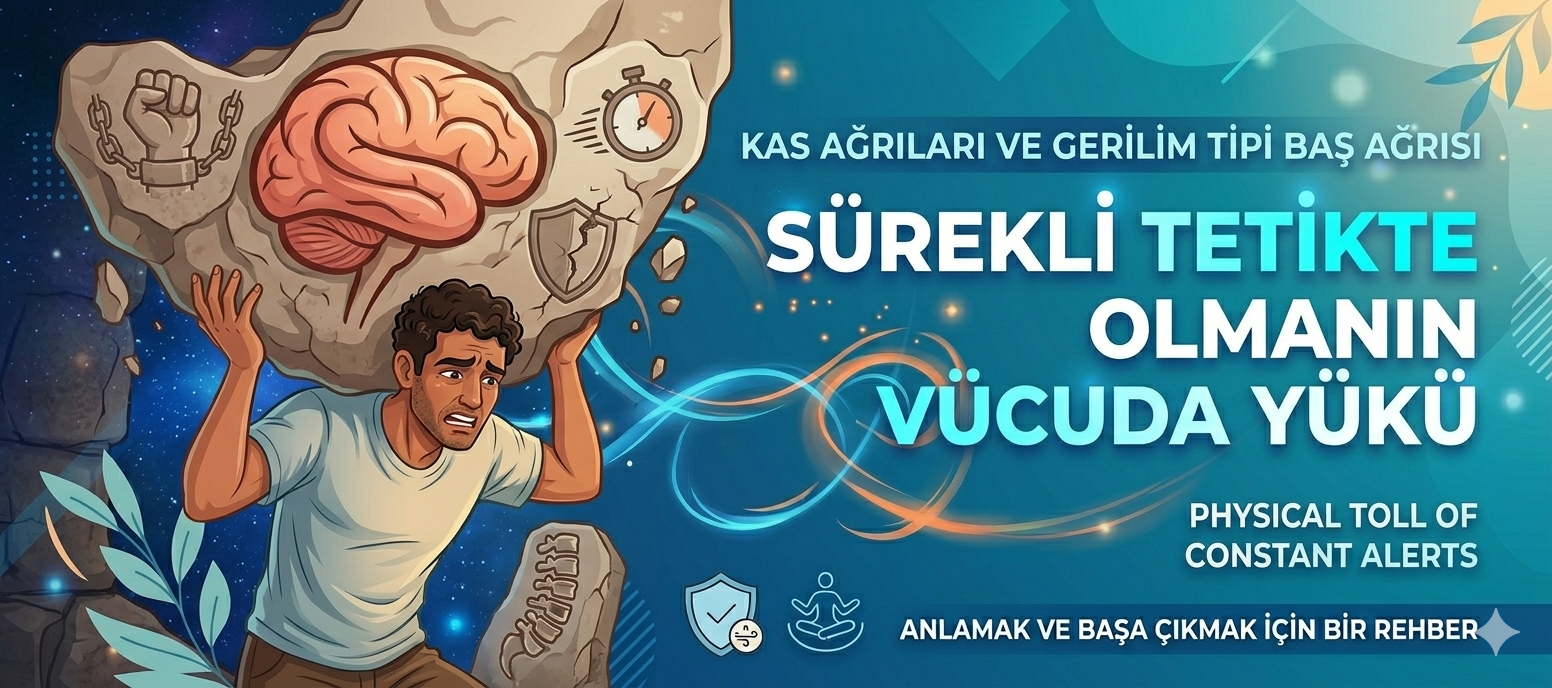
What Is Doomscrolling? Psychological Effects and Ways to Cope
It is easy to spend much longer than intended scrolling through news and social media, especially when one concerning story leads to another. Doomscrolling describes repeatedly consuming negative or distressing online content and continuing to scroll even when doing so leaves you feeling worse. It is not simply a matter of screen time. The habit can also be connected to anxiety, difficulty tolerating uncertainty, and a search for a sense of control.
Why do people doomscroll?
Keeping up with current events can help people feel informed and prepared. During a crisis, natural disaster, public health emergency, or conflict, checking for updates may feel necessary. Yet the hope that one more update will ease anxiety can lead to a cycle of repeated checking. A new headline may offer brief reassurance, but it can also raise new questions and the fear of missing the next important development.
The human mind tends to notice information that may signal danger. This attention can help people recognize threats and prepare for them. On digital platforms, an uninterrupted stream of content and repeated exposure to similar stories can make it harder to shift attention away from negative news. A person may keep scrolling with the thought, “If I know more, I’ll feel safer.” But more updates do not always provide a practical action to take. Sometimes they keep the sense of threat active without increasing a person’s ability to influence events.
How can doomscrolling affect mental health?
After a prolonged period of scrolling, someone may feel tense, unsettled, angry, or helpless. Their body may remain on alert, making it harder to relax, fall asleep, or focus on everyday tasks. Looking at distressing news late at night can be especially disruptive when the mind needs time to settle before sleep.
Research has found associations between doomscrolling and anxiety, depressive symptoms, and psychological distress. These findings do not mean that doomscrolling affects everyone in the same way or that it alone causes a mental health condition. A person’s existing stress, current circumstances, and reasons for seeking updates can all shape the experience.
The pattern can become more noticeable when it begins to affect daily life. A person feels anxious and checks the news to feel more in control. The content increases their anxiety, so they check again to find reassurance or make sure they have not missed anything. Over time, opening a phone can become an automatic response to discomfort rather than a deliberate choice to get specific information.
How can you reduce doomscrolling?
Reducing doomscrolling does not require ignoring the world. The aim is to make more deliberate choices about when, where, and how often to follow the news. You might choose a few set times to check updates, take a break from your phone before bed, or turn off notifications from news and social media apps. Following a small number of reliable sources and avoiding repeated checks of the same story across multiple accounts can also make the stream feel more manageable.
When you notice yourself scrolling, try pausing to ask: “What am I looking for right now?”, “How do I feel after reading this?”, or “Is there anything practical I can do with this information?” These questions can help turn an automatic habit into a conscious decision. You could then put your phone down, take a short walk, talk with someone you trust, or bring your attention back to what is happening around you.
The goal is not to suppress difficult feelings or stop caring about events that affect others. Concern for other people matters. At the same time, constant exposure to distressing content can leave less attention for your own needs and relationships. Finding a healthier balance may mean setting boundaries around news consumption while staying informed in ways that feel sustainable. The American Psychological Association has also highlighted the emotional strain associated with media overload and the value of noticing how news consumption affects you.
How can therapy help with doomscrolling?
If it feels difficult to cut back, it may help to explore what the habit is doing for you rather than judging yourself for it. Seeking control when events feel uncertain, worrying about missing an important update, or trying to manage stress alone may all play a part. Psychotherapy offers a space to look at how you experience anxiety and uncertainty, what drives repeated checking, and how the pattern affects your daily life.
If doomscrolling regularly interferes with sleep, work, relationships, or mood, and changes you have tried on your own have not helped enough, you may consider speaking with a mental health professional. The aim is not necessarily to remove your phone from your life, but to make room for your own needs and well-being while staying informed.