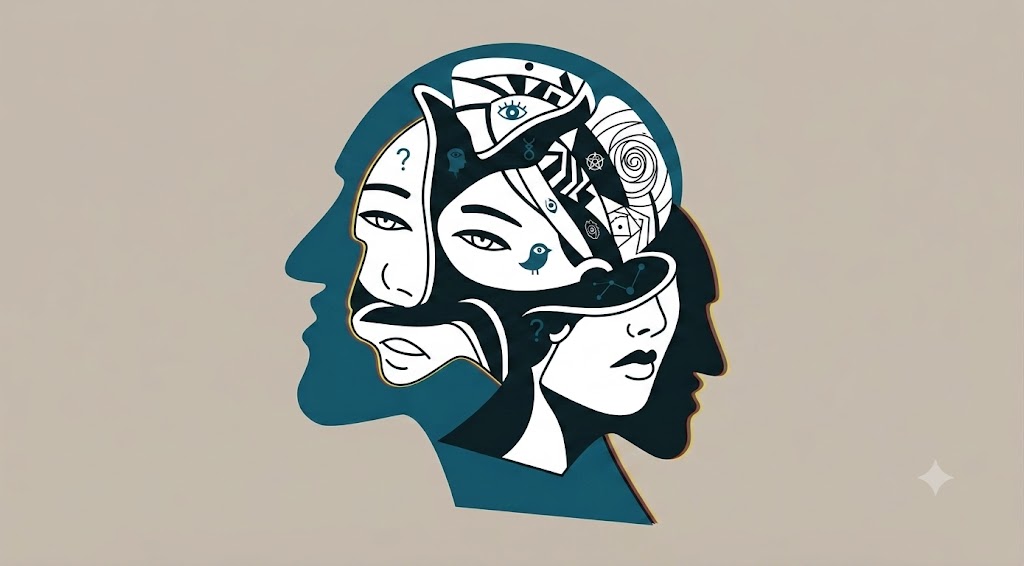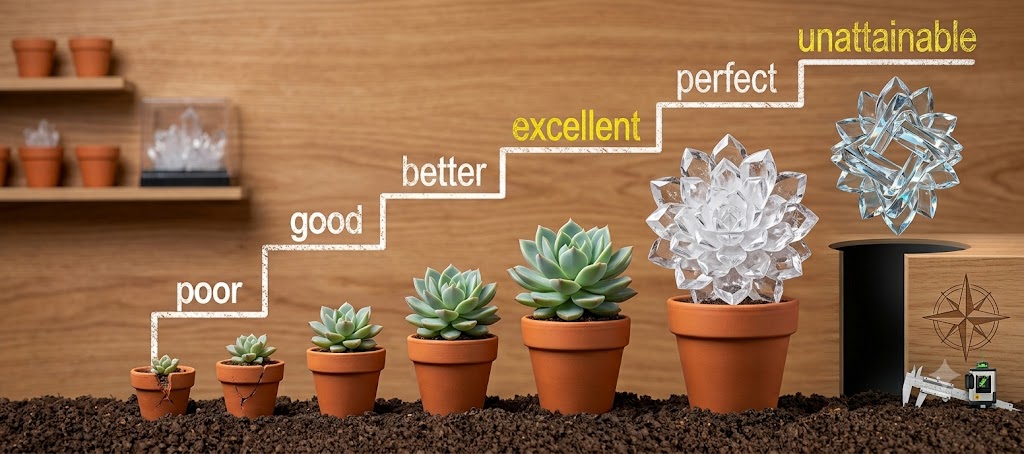
Anhedonia is the reduced ability to experience pleasure, interest, or satisfaction from activities that were previously enjoyable or meaningful. A person may no longer feel excited about music, food, hobbies, achievements, friendships, intimacy, or future plans. Although it can be mistaken for simple boredom or low motivation, anhedonia can have a significant impact on emotional wellbeing, relationships, and everyday functioning.
Anhedonia is not a diagnosis on its own. Rather, it is a symptom that may occur in connection with depression, trauma-related difficulties, anxiety disorders, burnout, substance use, and certain medical or neurological conditions. The experience can look different from person to person. Some people feel detached from nearly all parts of life, while others notice that their loss of pleasure is mainly social, physical, or emotional.
What Does Anhedonia Feel Like?
Someone experiencing anhedonia may make plans with friends but feel no anticipation beforehand. They may attend the gathering, laugh at the appropriate moments, and still feel emotionally disconnected from the experience. A favourite meal may taste familiar but no longer bring satisfaction. A hobby that once felt absorbing may now feel like a task.
People often describe anhedonia as feeling empty, numb, distant, or as though nothing truly matters. They may know intellectually that something is meant to be enjoyable, yet not feel the emotional response they expect. For example, a person might receive positive news at work or plan a holiday but think, “I know I should be happy, but I do not feel anything.”
This does not mean the person is ungrateful, uncaring, or unwilling to enjoy life. In many cases, they want to feel connected again but find that their mind and body are no longer responding to positive experiences in the same way.
Types of Anhedonia
One common form is social anhedonia. This refers to a reduced interest in social connection or reduced enjoyment when spending time with others. A person may withdraw from friends, feel emotionally distant from family members, or find conversations tiring and unrewarding. They may still care about others, but feel unable to access the warmth or closeness they previously experienced.
Another form is physical anhedonia, which involves a reduction in pleasure from sensory or bodily experiences. Food, exercise, touch, sexual intimacy, music, or other sensory experiences may feel less satisfying than before.
Some people particularly struggle with anticipatory pleasure: the ability to look forward to something positive. They may enjoy an event slightly once it begins, but cannot feel excitement before it happens. Others experience difficulty with consummatory pleasure, meaning that even during a positive experience, the expected sense of enjoyment does not arrive.
Why Does Anhedonia Happen?
Anhedonia is frequently associated with depression. Depression is not only about feeling sad; it can also involve a profound loss of interest, motivation, and emotional responsiveness. A person may continue going to work, meeting responsibilities, and appearing functional while internally feeling disconnected from the parts of life that once felt meaningful.
Chronic stress can also contribute to anhedonia. Ongoing work pressure, financial worries, caregiving demands, relationship conflict, grief, or uncertainty can leave the nervous system in a prolonged state of strain. When much of a person’s energy is directed toward coping or simply getting through the day, there may be less emotional capacity available for enjoyment, curiosity, and rest.
Trauma can be another important factor. Following traumatic experiences, some people develop emotional numbing. This can be understood as a protective response: when painful feelings become overwhelming, the ability to feel positive emotions may also become restricted. A person may feel disconnected not only from fear or sadness, but also from joy, affection, and excitement.
Sleep difficulties, chronic pain, some medications, alcohol or substance use, and physical health conditions can influence mood and pleasure as well. For this reason, persistent anhedonia deserves careful attention rather than being dismissed as laziness or a lack of willpower.
Anhedonia and Depression
Anhedonia is one of the central symptoms of depression, but experiencing anhedonia does not automatically mean someone has depression. Depression may also include low mood, hopelessness, guilt, fatigue, changes in appetite or sleep, difficulties with concentration, and feelings of worthlessness.
It is also possible to experience anhedonia without obvious sadness. Some people do not describe themselves as depressed; instead, they say they feel flat, empty, detached, or unable to care about things. This is one reason why loss of pleasure and interest should be taken seriously, even when a person does not appear visibly distressed.
Can Anhedonia Improve?
Recovery from anhedonia rarely comes from forcing oneself to “be positive.” It is often more helpful to approach the experience with curiosity and compassion. Noticing when the symptoms began, what areas of life are affected, and what stressors or losses may be present can be an important first step.
Small and realistic routines can support recovery. Regular sleep, nourishing meals, gentle movement, time outdoors, and brief contact with trusted people may help restore a sense of connection over time. Initially, these activities may not feel enjoyable. The aim is not to immediately create happiness, but to gradually rebuild contact with daily life and meaningful experiences.
Psychotherapy can be especially valuable when anhedonia is connected to depression, grief, trauma, burnout, or relationship difficulties. Therapy offers space to understand the emotional and practical conditions surrounding the symptom, while also exploring what has felt meaningful, safe, and alive for the individual.
If loss of pleasure has lasted for several weeks, affects work or relationships, or is accompanied by hopelessness or thoughts of self-harm, seeking support from a mental health professional is important. Anhedonia is not a personal failure; it can be a meaningful sign that a person needs care, understanding, and support.