The Psychology of Infidelity: Why Do People Cheat?
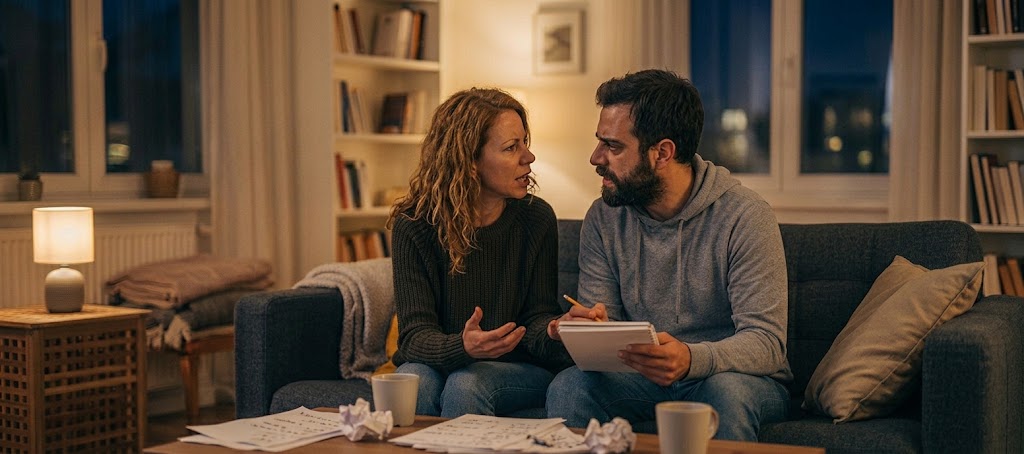
Infidelity is one of the most challenging experiences a couple can face, often undermining trust and emotional security within a relationship. While cheating is commonly viewed simply as an act of betrayal, from a psychological perspective it is often influenced by complex emotional and interpersonal dynamics. Not every act of infidelity stems from the same motivations, and every individual's story is unique. Understanding infidelity requires looking beyond the behavior itself and exploring the psychological processes that may contribute to it.
What Is Infidelity?
Infidelity refers to engaging in emotional, romantic, or sexual involvement with someone outside a committed relationship in a way that violates the trust and expectations of one's partner. While some couples define infidelity solely as physical intimacy, others may also consider emotional affairs, secret communication, or online relationships to be forms of betrayal.
Ultimately, the definition of infidelity varies depending on the boundaries, values, and agreements established within each relationship.
Why Do People Cheat?
Contrary to common belief, infidelity does not always occur because love has disappeared or because the relationship is over. In many cases, it is the result of a combination of unresolved emotional needs, interpersonal difficulties, individual psychological factors, and relationship dynamics.
Unmet Emotional Needs
Individuals who feel emotionally neglected, misunderstood, or disconnected from their partners may seek emotional validation outside the relationship. While this does not justify infidelity, it can help explain some of the emotional motivations behind the behavior.
Low Self-Esteem
For some people, cheating is less about seeking a new relationship and more about seeking validation. Feeling desired, admired, or appreciated by someone else may temporarily enhance self-esteem. However, this sense of validation is often short-lived and rarely resolves the underlying issues related to self-worth.
Attachment Difficulties
Attachment theory suggests that early relationships with caregivers influence how individuals form intimate relationships in adulthood. People who fear abandonment or struggle with emotional intimacy may, consciously or unconsciously, engage in behaviors that sabotage their relationships. In some cases, infidelity may reflect these underlying attachment patterns.
The Search for Novelty and Excitement
Long-term relationships naturally evolve, and periods of routine are common. Some individuals may seek excitement, novelty, or stimulation outside the relationship rather than addressing these needs through open communication with their partner. While the desire for novelty is understandable, seeking it through infidelity often creates deeper relational difficulties.
The Psychological Impact of Infidelity
Infidelity affects not only the person who has been betrayed but also the individual who cheated and the relationship as a whole.
The betrayed partner may experience intense sadness, anger, anxiety, diminished self-esteem, and a profound loss of trust. For some individuals, discovering infidelity can be experienced as a traumatic event that continues to influence future relationships.
The partner who engaged in infidelity may experience guilt, shame, confusion, or fear of losing the relationship. Emotional responses vary greatly, and every situation should be understood within its unique context.
Can a Relationship Survive Infidelity?
Every couple responds differently to infidelity. While some relationships end following betrayal, others are able to rebuild trust and move forward together. Repairing a relationship requires honesty, accountability, open communication, and a willingness from both partners to understand what contributed to the breach of trust.
Because this process often involves intense emotions, professional support can be invaluable in helping couples navigate the challenges they face.
The Role of Psychotherapy
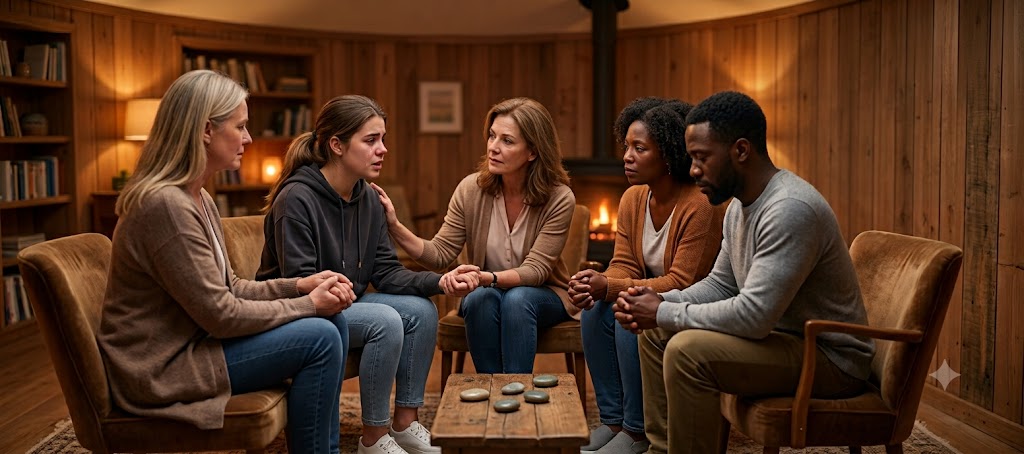
Psychotherapy aims to understand infidelity not simply as an isolated behavior but as part of broader individual and relational dynamics. Individual therapy can help people explore their emotional needs, attachment patterns, self-esteem, and relationship history. Couples therapy, on the other hand, provides a safe space to improve communication, rebuild trust, and determine whether and how the relationship can move forward.
The goal of therapy is not to assign blame but to foster understanding, emotional healing, and healthier relationship patterns.
Conclusion
Infidelity is a complex phenomenon that cannot be explained by a single cause. Emotional needs, attachment styles, self-esteem, communication difficulties, and life experiences may all contribute to why someone engages in infidelity.
Understanding these psychological factors does not excuse betrayal; rather, it provides a deeper understanding of the emotional and relational processes involved. When trust has been damaged, seeking professional support can help individuals and couples process their experiences, make informed decisions about their relationships, and work toward emotional well-being.