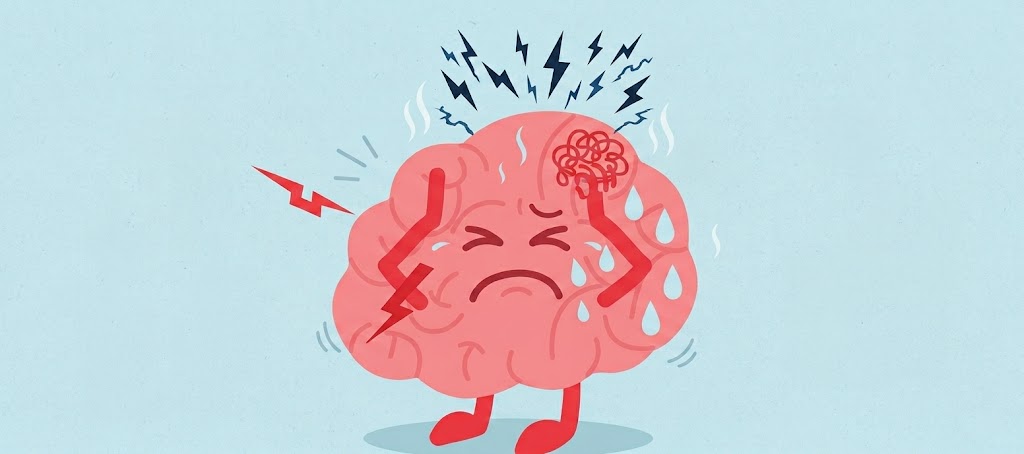
Stress is not merely a feeling of emotional tension. It is a complex biological response involving communication between the brain, nervous system, hormones and immune system. When the brain perceives danger, uncertainty or intense pressure, the body activates several systems designed to help the person respond. At the centre of this process is the hypothalamic-pituitary-adrenal axis, commonly known as the HPA axis.
In the short term, the HPA axis helps us survive challenges and adapt to changing circumstances. When stress becomes persistent, however, the same protective system may place increasing strain on physical and psychological well-being.
What Is the HPA Axis?
The HPA axis is a communication network involving the hypothalamus in the brain, the pituitary gland and the adrenal glands located above the kidneys. It plays a central role in coordinating the body’s hormonal response to stress.
When the brain interprets a situation as threatening, the hypothalamus releases corticotropin-releasing hormone (CRH). CRH signals the pituitary gland to produce adrenocorticotropic hormone (ACTH). ACTH then travels through the bloodstream to the adrenal glands, stimulating the production and release of cortisol. This sequence can be understood as a biological alarm chain connecting the brain and the body.
What Happens in the Body During Stress?
One of the body’s first responses to a stressful event is the activation of the sympathetic nervous system. Adrenaline and noradrenaline are released, the heart beats faster, breathing becomes more rapid and blood flow is redirected towards the muscles. These changes form part of the familiar “fight-or-flight” response, preparing the person to confront a threat or move away from it.
The HPA axis produces a slightly slower but more sustained response. Cortisol helps make energy available by supporting the release of glucose from the liver into the bloodstream. It helps maintain alertness and temporarily alters processes that are not immediately necessary for survival.
Cortisol is therefore not simply a harmful “stress hormone.” In appropriate amounts and at the right time, it performs essential functions. It contributes to metabolism, blood pressure regulation, inflammation control and the body’s ability to respond to challenges.
How Does the Stress Response Switch Off?
Once the perceived danger has passed, cortisol participates in a negative feedback mechanism. It signals the hypothalamus and pituitary gland that enough hormone has been produced. The release of CRH and ACTH decreases, cortisol levels begin to fall and the body gradually returns to its usual balance.
A healthy stress system must not only activate when needed but also switch off effectively. Cortisol also follows a natural daily rhythm. Levels are generally higher in the morning, helping the body wake up and mobilise energy, and lower towards the evening. A temporary rise in cortisol during a stressful experience is normal and does not, by itself, indicate a medical problem.
Acute Stress and Chronic Stress
Acute stress is a short-term response that may occur before an examination, during a job interview or in a dangerous situation. It can temporarily sharpen attention, increase motivation and support rapid action. When the stressful event ends, the nervous and hormonal systems usually settle.
Chronic stress develops when sources of pressure remain present over a prolonged period. Financial concerns, relationship difficulties, demanding working conditions, caregiving responsibilities and a persistent sense of insecurity may repeatedly activate the stress response.
This does not necessarily mean that everyone experiencing chronic stress has continuously high cortisol. Long-term stress may be associated with different patterns of HPA-axis dysregulation. Some people show an exaggerated cortisol response, while others may develop a flatter, reduced or irregular pattern. Stress biology is influenced by sleep, physical health, early experiences, social support and individual differences.
How Can Chronic Stress Affect the Body?
When the stress response remains active for too long, it can affect sleep, digestion, metabolism, immune functioning and cardiovascular health. A person may have difficulty falling asleep, wake repeatedly or feel tired despite spending enough time in bed. Stress may disturb sleep, while poor sleep can further activate the stress system, creating a self-reinforcing cycle. Research describes a two-way relationship between excessive HPA-axis activity and sleep fragmentation.
Chronic stress may also be accompanied by muscle tension, headaches, digestive complaints, appetite changes, fatigue, palpitations and difficulty concentrating. Emotionally, a person might experience anxiety, irritability, low motivation or a sense of burnout.
These symptoms are not unique to stress. They may also be associated with other physical or psychological conditions, which is why persistent or severe symptoms should not automatically be attributed to cortisol or the HPA axis.
Supporting Regulation of the Stress System
The goal of stress management is not to eliminate every source of stress. A more realistic aim is to strengthen the body’s ability to return to balance after activation. Consistent sleep routines, regular physical activity, balanced nutrition, opportunities for rest and supportive social relationships may contribute to healthier stress regulation.
Breathing exercises and mindfulness practices can help some individuals reduce physiological arousal. Meaningful activities, clearer boundaries and periods of genuine recovery may also signal safety to the nervous system.
When stress persists and begins to affect relationships, work, sleep or everyday functioning, psychotherapy may be helpful. Therapy can provide a space to explore not only symptoms but also the person’s perception of threat, relational patterns and habitual ways of coping. New, intense or persistent physical symptoms should also be discussed with an appropriate medical professional rather than assumed to result from stress alone.