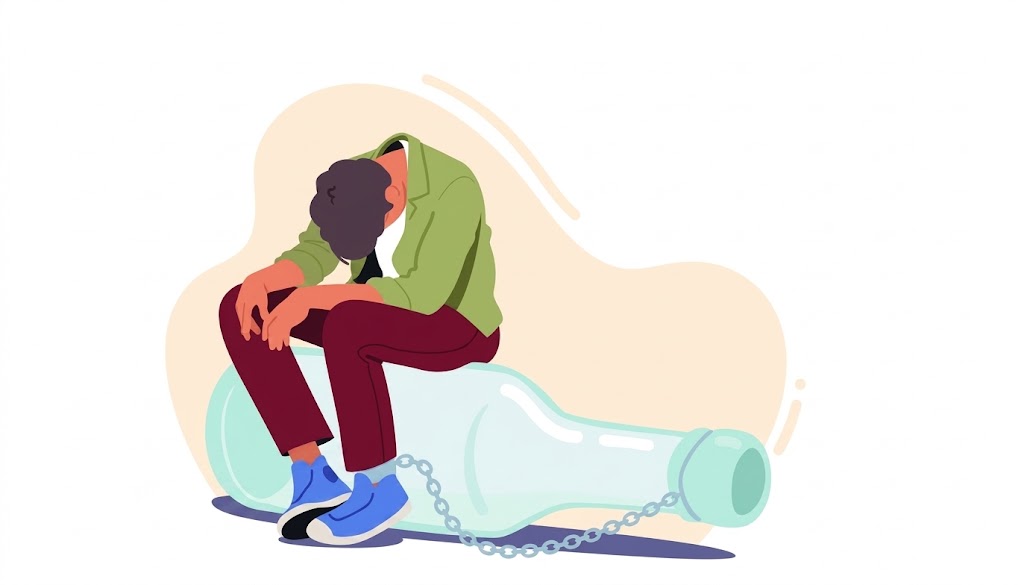
Childhood is an important period for learning how to recognize, express, and manage emotions. Experiences such as neglect, abuse, loss, witnessing violence, or living with prolonged insecurity may influence how a person relates to their emotions and relationships later in life. Childhood trauma is not limited to a single event; it can also include repeated or long-term experiences that make a child feel unsafe.
However, not everyone who has a difficult childhood is affected in the same way. The impact can depend on the nature and duration of the experience, the support available to the child, and the safe relationships they encounter later. Past experiences may influence present emotions, but they do not determine a person’s future.
How can childhood trauma affect emotional regulation?
Emotional regulation involves noticing and understanding feelings, then responding to them when they become intense. Children learn many of these skills through their relationships with caregivers. A child whose feelings are dismissed, who is left alone when frightened, or who lives around frequent tension may find it difficult to make sense of emotions or ask others for support.
In adulthood, this may show up as emotions that become intense quickly, difficulty managing anger, strong anxiety in response to seemingly small events, or trouble calming down. Some people may instead learn to suppress their feelings, ignore their needs, or avoid expressing what they feel. Emotional numbness, or feeling as though nothing is felt, can also be a way of protecting oneself from overwhelming emotions.
Anxiety and feeling constantly on guard
Living with prolonged insecurity during childhood can lead a person to closely monitor their surroundings for possible danger. In adulthood, this may appear as feeling on guard even when there is no clear threat, closely watching other people’s facial expressions or tone of voice, expecting something bad to happen, or finding uncertainty difficult to tolerate.
These responses do not mean that a person is “too sensitive” or overreacting. Protective habits that once served a purpose may continue to appear in safe situations. A person may find it difficult to distinguish what is happening now from the expectation of danger they learned in the past.
Self-worth and feelings of guilt
Traumatic childhood experiences can also influence the beliefs people develop about themselves. In particular, people who experienced neglect, humiliation, or abuse may blame themselves for what happened or develop beliefs such as “I am not worthy of love.” It is understandable that children try to explain painful experiences through their own behavior; however, a child is not responsible for the abuse, neglect, or violence they experience.
These beliefs may continue into adulthood as harsh self-criticism, an intense fear of making mistakes, difficulty acknowledging achievements, or a constant need for approval. A person may have learned to put other people’s needs ahead of their own.
Possible effects on adult relationships
Early relationships can shape expectations about closeness and trust. An adult who received inconsistent care or whose emotional needs went unmet as a child may experience fear of abandonment, struggle to trust others, or pull away when a relationship becomes close. Some people avoid setting boundaries to prevent conflict, while others may interpret a minor disagreement as a sign that the relationship is about to end.
These responses do not look the same in every relationship, and they do not in themselves indicate a diagnosis. Noticing when difficulties arise can help a person better understand their emotional needs and boundaries in relationships.
How can psychotherapy help?
Psychotherapy does not require a person to recall childhood events quickly or share details before they feel ready. The process can move at a pace that respects how safe and prepared the person feels. Within a supportive therapeutic relationship, a person may explore how to recognize emotions, distinguish present-day triggers from past experiences, and relate to themselves with greater compassion.
The effects of childhood trauma are not fixed or inevitable. Supportive relationships, greater awareness of personal needs, and appropriate psychotherapy can help people understand how past experiences affect their lives today. If you are struggling to manage your emotions or feel that childhood experiences are affecting your relationships or daily life, you may consider seeking support from a mental health professional.