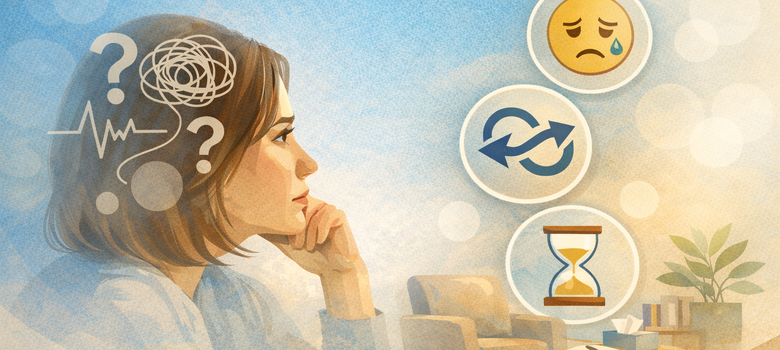
Forming an Emotional Bond with AI: Closeness, Loneliness and Boundaries
Artificial intelligence chatbots are no longer used only to find information or make everyday tasks easier. Some people share their feelings with these systems, talk about their experiences or turn to them when they feel lonely. As a result, forming an emotional bond with AI has become an increasingly discussed topic.
These interactions may help someone feel heard, understood or accompanied. At the same time, it is important to consider how communication with AI works and what its limitations are.
Why can AI interactions feel close?
Chatbots can respond quickly, appear non-judgmental and use personalised language based on what a person shares. Their availability at different times of the day can also make communication easier. Someone may feel that they have found a space where they can express their thoughts. For people going through a difficult period or struggling to find someone to talk to, this experience may feel comforting.
The relief or sense of closeness a person feels during a conversation is real. However, the person’s emotional experience and the capabilities of AI need to be considered separately. AI can continue a conversation and use supportive language, but it does not have subjective experiences, personal needs or mutual responsibilities in the way a human does. Keeping this distinction in mind can help someone understand the nature of the interaction without dismissing the feelings it brings up.
Can AI reduce feelings of loneliness?
Talking with AI may provide some people with a temporary sense of company and support. Putting feelings into words can help them organise their thoughts or reflect on a situation. In this way, a chatbot may be useful for gathering one’s thoughts or preparing for a conversation with a friend.
However, research into the effects of AI conversations on loneliness is still developing. Some studies suggest that these interactions may reduce loneliness in the short term, but this does not mean that they have the same effect for everyone or can replace human relationships. Researchers have emphasised the need for further studies involving different groups of users and patterns of use.
It is therefore helpful to consider how these conversations fit into a person’s wider social life. AI may be useful when it helps someone communicate with others. But if a person is seeing people less often, relying only on a chatbot when making important decisions or spending so much time chatting that daily responsibilities are affected, it may be time to reflect on how they are using it.
When might an emotional bond begin to affect boundaries?
The impact of interacting with AI cannot be measured by time spent alone. It is also important to consider why someone turns to these conversations and how they affect everyday life. The constant availability of chatbots and their supportive responses may strengthen a sense of attachment for some people. If AI becomes someone’s only source of support, or if time away from the chatbot causes significant distress, this may be a reason to reflect on the role it plays.
The American Psychological Association has highlighted potential risks associated with using chatbots for mental health support. For example, a system may affirm a user’s thoughts without adequately questioning them, or contribute to the reinforcement of harmful beliefs. For this reason, AI tools should not replace human support, and it is important for them to be designed in ways that reduce the risk of excessive reliance.
How can you maintain boundaries when using AI?
It may help to decide in advance what you want to use a chatbot for: organising your thoughts, writing about your feelings or preparing for a difficult conversation. Connecting with someone you trust, taking a break or returning to everyday activities after a conversation can also help keep use balanced. Before sharing personal or sensitive information, it is important to review the privacy terms of the service.
Responses generated by AI should not be treated as definitive information, a diagnosis or a professional assessment. For important concerns involving mental health, relationships or safety, turning to trusted people and qualified professionals can provide more appropriate support. When someone is experiencing significant distress, speaking with a mental health professional allows their needs and circumstances to be considered individually.
Forming an emotional bond with AI raises new questions about closeness and loneliness. When reflecting on this experience, it is helpful to consider both what the person feels and the limits of the technology. AI may help someone put their thoughts into words, but it cannot replace the mutual nature of human relationships or psychotherapy.
At Face to Face Terapia, we recognise the value of a safe, thoughtful and individual space in which people can make sense of their feelings and relationships. If using AI begins to draw someone away from social relationships or narrow their everyday life, discussing the experience with a mental health professional may be helpful.