What Is Schizophrenia? Symptoms, Causes, Diagnosis, and Treatment
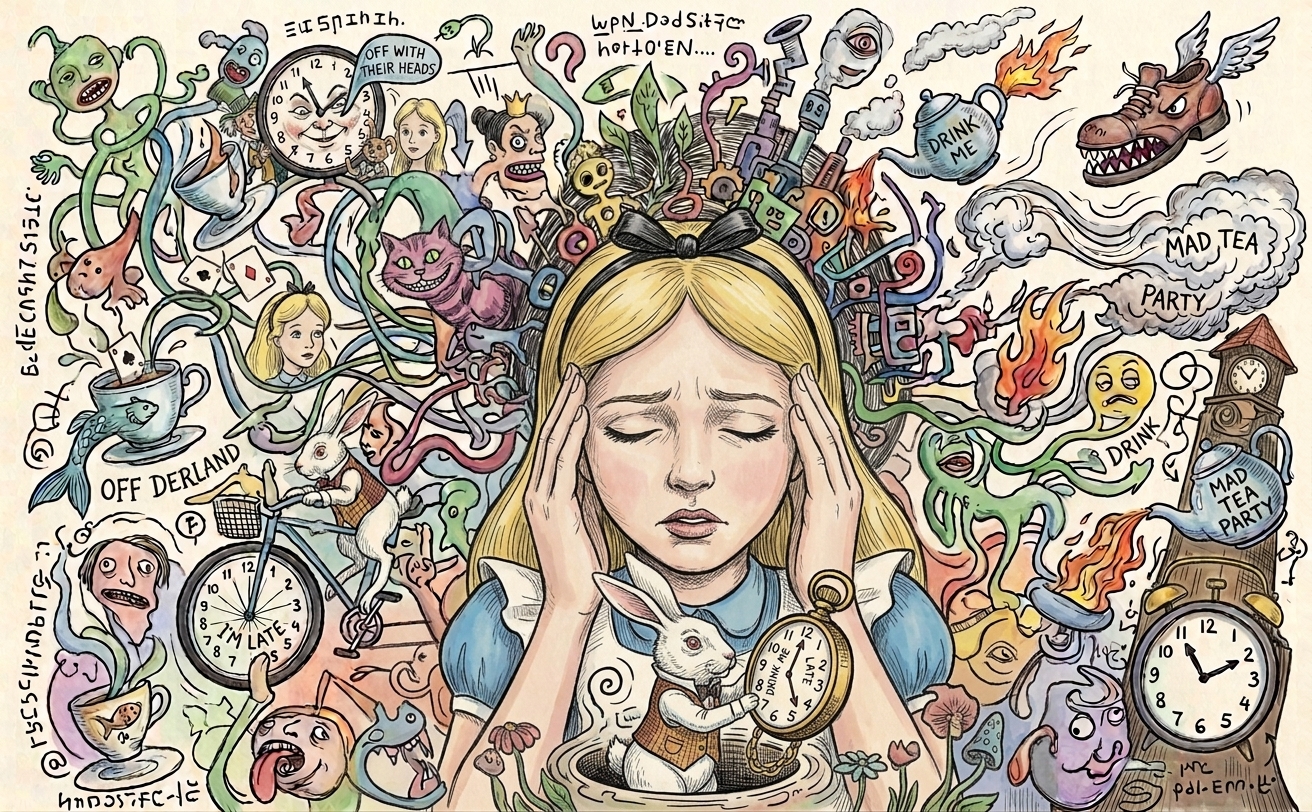
Schizophrenia is a complex and long-term mental health disorder that affects how a person thinks, feels, perceives reality, and relates to others. It can influence many areas of life, including relationships, education, employment, self-care, and daily functioning. Although schizophrenia is often misunderstood, appropriate treatment and ongoing support can help many people manage their symptoms and improve their quality of life.
Schizophrenia does not mean having a “split personality.” This is a common misconception. Instead, the condition may involve periods in which a person has difficulty distinguishing between internal experiences and external reality. Symptoms and their severity can vary considerably from one person to another.
What Are the Symptoms of Schizophrenia?
The symptoms of schizophrenia are generally discussed in three main groups: positive symptoms, negative symptoms, and cognitive symptoms.
Positive symptoms refer to experiences that are added to a person’s usual functioning. Hallucinations are one example. A person may hear, see, feel, or smell things that others do not perceive. Hearing voices is among the most commonly reported hallucinations. Delusions are strongly held beliefs that remain unchanged despite evidence to the contrary. For example, someone may believe that they are being watched, followed, controlled, or targeted.
Disorganised thinking and speech may also occur. The individual may move rapidly between unrelated topics, give answers that are difficult to follow, or struggle to organise their thoughts. Behaviour can also become unusually disorganised or unpredictable.
Negative symptoms involve a reduction in abilities or behaviours that are normally present. These may include decreased emotional expression, reduced motivation, social withdrawal, difficulty experiencing pleasure, limited speech, and challenges with everyday self-care. Because these symptoms can resemble depression or lack of interest, they may sometimes be overlooked.
Cognitive symptoms affect mental processes such as attention, memory, planning, decision-making, and problem-solving. A person may find it difficult to follow conversations, remember information, complete tasks, or organise daily responsibilities.
What Causes Schizophrenia?
There is no single cause of schizophrenia. Research suggests that the condition develops through a combination of genetic, biological, psychological, and environmental factors. Having a family member with schizophrenia may increase vulnerability, but it does not mean that a person will necessarily develop the disorder.
Differences in brain development and the functioning of certain chemical systems may also play a role. Environmental influences—including severe or prolonged stress, traumatic experiences, complications during pregnancy or birth, and the use of certain psychoactive substances—may contribute to the onset of symptoms in vulnerable individuals.
Schizophrenia commonly emerges in late adolescence or early adulthood, although it can begin at other stages of life. Symptoms may appear gradually or become noticeable during an acute psychotic episode.
How Is Schizophrenia Diagnosed?
Schizophrenia cannot be diagnosed through a single blood test, brain scan, or questionnaire. Diagnosis requires a comprehensive assessment by a qualified mental health professional. This evaluation may include the person’s symptoms, medical history, substance use, daily functioning, relationships, and changes in behaviour over time.
Other possible explanations must also be considered. Psychotic symptoms can occur in mood disorders, substance-related conditions, neurological illnesses, and some medical conditions. For this reason, professional assessment and differential diagnosis are essential.
Early warning signs may include increasing social isolation, unusual suspiciousness, disrupted sleep, declining performance at school or work, reduced self-care, difficulty thinking clearly, or noticeable changes in emotional expression. These signs do not always indicate schizophrenia, but seeking professional support early can help clarify what is happening.
How Is Schizophrenia Treated?
Treatment is usually planned according to the person’s needs, symptoms, circumstances, and stage of recovery. Antipsychotic medication is commonly used to reduce psychotic symptoms and should be prescribed and monitored by a psychiatrist. Medication should not be started, stopped, or changed without medical supervision.
Psychotherapy and psychosocial support can complement psychiatric treatment. Therapy may help individuals understand their experiences, recognise early signs of relapse, cope with stress, strengthen emotional regulation, and improve social and daily living skills. Psychoeducation can also help both the individual and their family better understand the condition.
Family interventions, social skills training, vocational support, and community-based rehabilitation may form part of a comprehensive treatment plan. A stable daily routine, regular sleep, supportive relationships, reduced stress, and avoiding alcohol or recreational drugs can also support recovery.
Living With Schizophrenia
Recovery does not look the same for everyone. Some people experience one or a small number of episodes, while others require longer-term treatment and support. Consistent care, early intervention, and an individualised treatment plan can make a meaningful difference.
People with schizophrenia are often affected by stigma and inaccurate assumptions. The condition does not define a person’s identity, abilities, or value. Respectful language, informed support, and access to appropriate mental health services are essential.
If someone is experiencing hallucinations, strong suspicious beliefs, severe confusion, major behavioural changes, or difficulty maintaining personal safety, professional support should be sought promptly. In situations involving immediate danger, risk of self-harm, or risk to others, emergency services should be contacted.