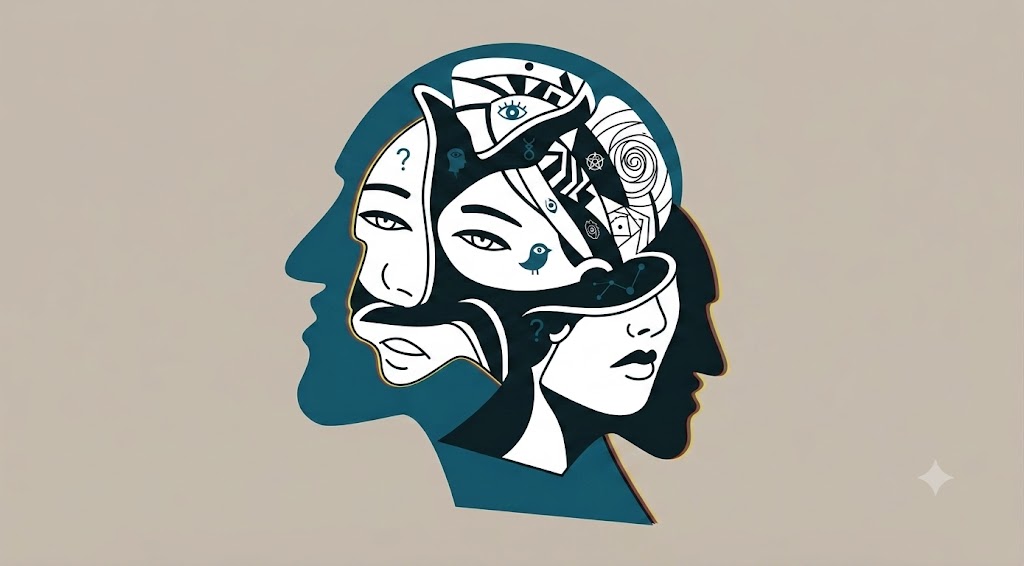
Trichotillomania, also known as Hair-Pulling Disorder, is a mental health condition characterized by a recurrent urge to pull out one's own hair. Although it most commonly affects the scalp, individuals may also pull hair from their eyebrows, eyelashes, beard, or other areas of the body. Classified under Obsessive-Compulsive and Related Disorders in the DSM-5, trichotillomania is much more than a bad habit. It is a clinically recognized condition that can significantly impact emotional well-being, self-esteem, and daily functioning.
The disorder often begins during late childhood or early adolescence, although it can develop at any age. People with trichotillomania usually experience repeated unsuccessful attempts to stop pulling their hair. Many describe an increasing sense of tension or emotional discomfort before pulling, followed by temporary relief afterward.
Symptoms of Trichotillomania
The hallmark symptom of trichotillomania is recurrent hair pulling that leads to noticeable hair loss. However, the condition involves much more than the physical act itself.
Common symptoms include:
- Repeated pulling of hair from the scalp, eyebrows, eyelashes, or other body areas
- Repeated unsuccessful attempts to reduce or stop the behavior
- Increasing tension, anxiety, or emotional discomfort before pulling
- Temporary relief, gratification, or pleasure after pulling
- Noticeable bald patches or thinning hair
- Attempts to hide hair loss with hairstyles, hats, makeup, or wigs
- Avoidance of social situations because of embarrassment
- Reduced self-confidence and emotional distress
Some individuals pull their hair automatically while reading, studying, watching television, or working, whereas others engage in the behavior consciously during periods of stress or emotional overwhelm.
What Causes Trichotillomania?
There is no single cause of trichotillomania. Current research suggests that it develops through a combination of biological, psychological, and environmental factors.
Potential contributing factors include:
Genetic predisposition: A family history of obsessive-compulsive or body-focused repetitive behaviors may increase vulnerability.
Brain functioning: Differences in brain circuits involved in impulse control, reward processing, and emotional regulation may contribute to the disorder.
Stress and anxiety: Emotional stress, academic pressure, relationship difficulties, or traumatic life experiences may trigger or worsen symptoms.
Emotional regulation difficulties: For many individuals, hair pulling becomes a way of coping with uncomfortable emotions such as anxiety, boredom, frustration, or sadness.
Who Is Most Likely to Develop Trichotillomania?
Trichotillomania most commonly begins between the ages of 10 and 13. Although it affects both males and females, women are diagnosed more frequently in adulthood.
The disorder often co-occurs with anxiety disorders, depression, obsessive-compulsive disorder (OCD), and other body-focused repetitive behaviors.
How Does Trichotillomania Affect Daily Life?
The impact of trichotillomania extends far beyond physical appearance. Many individuals experience shame, embarrassment, and fear that others will notice their hair loss.
Activities such as swimming, visiting a hairdresser, attending social events, or having photographs taken may become sources of significant anxiety. Over time, social withdrawal and reduced quality of life may develop.
Some individuals also engage in trichophagia, the act of swallowing pulled hair. This behavior can lead to serious gastrointestinal complications, including the formation of hairballs (trichobezoars), which may require medical treatment.
Treatment for Trichotillomania
Trichotillomania is a treatable mental health condition. Treatment is individualized based on symptom severity, age, and the presence of other psychological conditions.
The most evidence-based psychological treatment is Cognitive Behavioral Therapy (CBT), particularly Habit Reversal Training (HRT). This approach helps individuals recognize the situations and emotions that trigger hair pulling while developing healthier alternative responses.
Acceptance and Commitment Therapy (ACT), mindfulness-based interventions, and emotional regulation skills training may also improve treatment outcomes.
In some cases, a psychiatrist may recommend medication, particularly when anxiety or depression significantly contributes to the symptoms. Combining psychotherapy with medication may provide greater benefits for certain individuals.
When Should You Seek Professional Help?
Professional support should be considered if hair pulling becomes difficult to control, results in noticeable hair loss, causes emotional distress, or interferes with school, work, or relationships.
Early intervention can reduce the likelihood that the behavior becomes chronic and significantly improve quality of life. Trichotillomania is not a sign of weakness or lack of self-control—it is a recognized psychological disorder that responds well to appropriate treatment. With professional support, many individuals learn effective coping strategies, regain confidence, and reduce or eliminate hair-pulling behaviors.