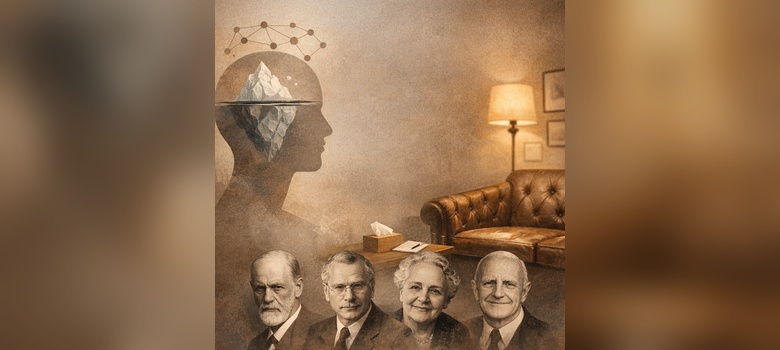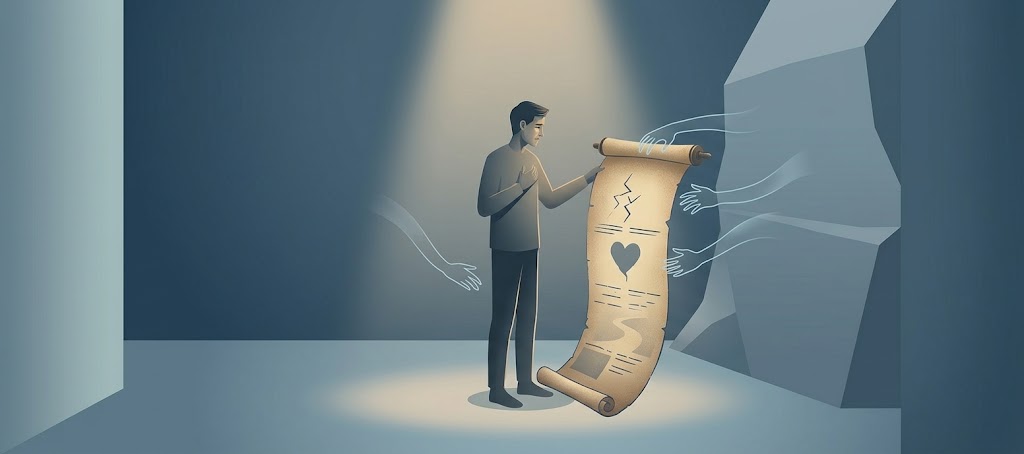
Relationships carry not only the present experiences of two individuals but also childhood memories, family dynamics, patterns from the past, and unconscious processes. Many couples experience recurring conflicts yet struggle to understand the underlying reasons. Psychoanalytic couple therapy explores the emotional world beneath the surface and offers couples a space for deeper healing.
What Is Psychoanalytic Couple Therapy?
Psychoanalytic couple therapy aims to understand how unconscious processes shape relational dynamics. Conflicts in a relationship are often reflections of early experiences, parental relationships, and unprocessed emotions.
In this approach, the therapist explores:
- Relational patterns carried from the past
- Unconscious conflicts
- Roles projected onto one another
- Repetitive relational cycles
The aim is not just to solve surface-level conflicts but to reveal the internal processes that generate them.
Why Do Relationship Issues Stem From the Unconscious?
According to psychoanalytic theory, individuals carry the relational styles learned in childhood into adult life. This may manifest as:
- Excessive control from fear of abandonment
- Seeking constant reassurance due to feelings of inadequacy
- Avoiding conflict due to fear of criticism
- Oscillating between idealisation and disappointment
Psychoanalytic couple therapy sheds light on these emotional cycles.
What Does the Therapist Do in Psychoanalytic Couple Therapy?
The therapist focuses on the emotions, needs, and patterns beneath the couple’s words.
During the process:
- Transference and countertransference
- Unconscious expectations
- Repetitive arguments
- Suppressed emotions
- Projected roles
are explored.
This helps reveal deeper emotional needs behind surface complaints.
Which Issues Can Psychoanalytic Couple Therapy Address?
1. Repetitive Arguments
Recurring conflicts often stem from unmet emotional needs or underlying fears.
2. Emotional Distance
Past wounds, defences, and unexpressed emotions are examined.
3. Jealousy and Trust Issues
These feelings often reflect the individual's inner world rather than the partner.
4. Healing After Infidelity
Therapy explores the emotional dynamics underlying the rupture.
5. Roles and Power Struggles
Patterns such as giver–taker or pursuer–withdrawer originate from early experiences.
6. Thoughts of Separation
Unconscious dynamics behind separation are explored.
How Does the Therapy Process Progress?
Through regular sessions, the therapist helps couples understand relational cycles, emotional responses, and deeper needs. This brings emotional depth and insight to the relationship.
Conclusion
Psychoanalytic couple therapy helps couples understand the hidden emotional world beneath relational difficulties. This process strengthens the bond by fostering deeper understanding and connection.